
Dad Shoe to Cultural Player: How New Balance Rebuilt Its Brand
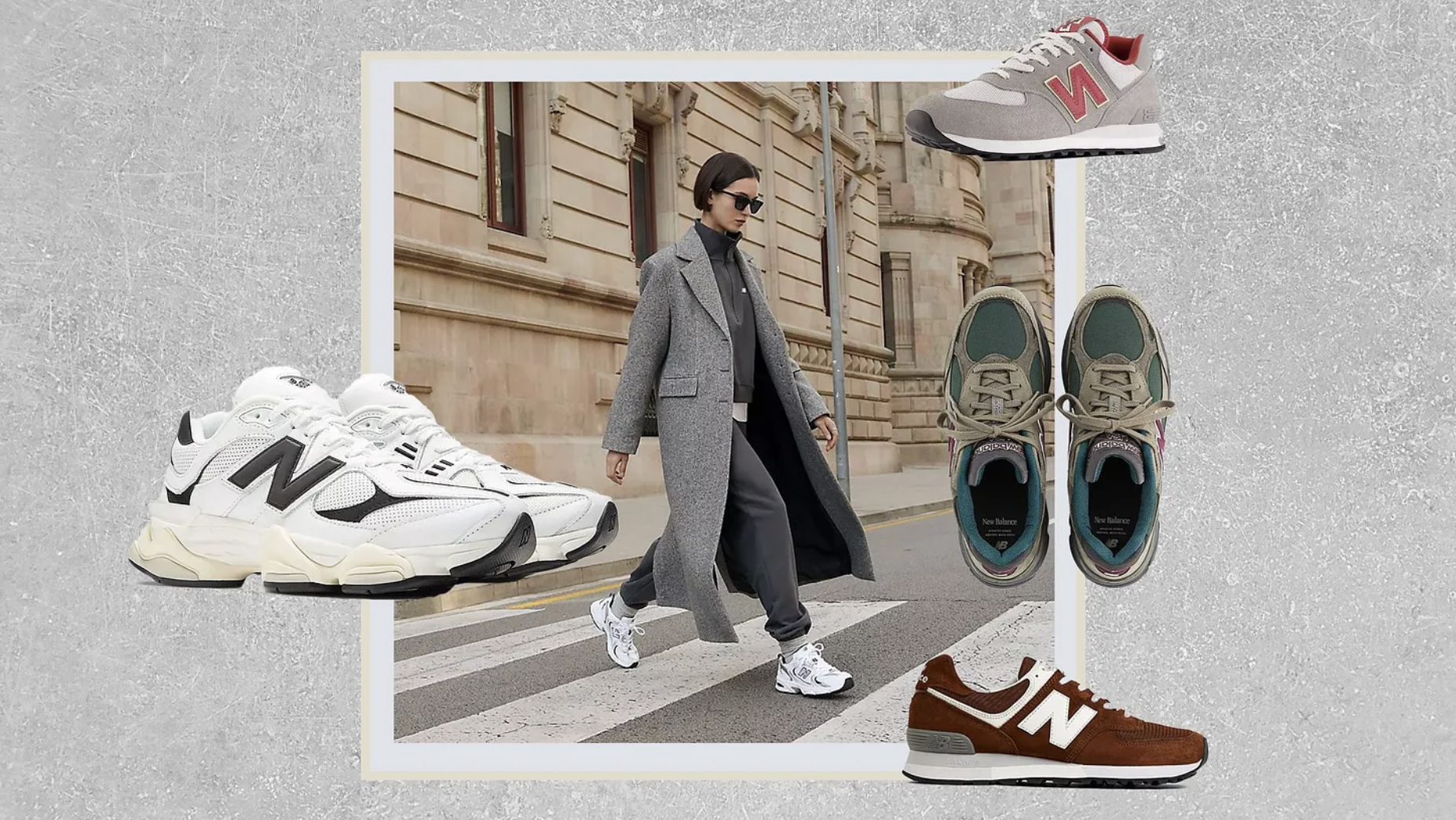
For most of its history, New Balance had a very clear reputation. It was the brand of practicality. Reliable running shoes, solid craftsmanship and comfort above all else. But culturally, it was known for something else entirely: the “dad shoe.” The sort of trainer you’d see worn by middle-aged men mowing the lawn or grilling in suburban backyards. Functional, dependable and unfussy. While Nike dominated through superstar athletes and Adidas rode waves of street culture and music, New Balance stayed firmly in its lane as a performance running brand. That positioning earned the company credibility and trust, but it rarely translated into cultural heat or broader commercial growth.
And yet over the last decade something remarkable has happened. Without the bombastic marketing budgets of its competitors, New Balance has quietly transformed itself into one of the fastest-growing sportswear brands in the world. In 2024 the company reported $7.8 billion in global revenue, up from $6.5 billion the year before. Those figures still pale compared to Nike’s $51 billion or Adidas’ $26 billion, but the trajectory tells a very different story. Rather than competing purely on scale, New Balance has behaved like a challenger brand, redefining how people see the business and unlocking powerful marketing growth along the way.
What makes the New Balance story particularly instructive is that the company didn’t radically reinvent its product. Instead, it gradually reinterpreted what the brand meant. Several lessons from that transformation stand out…
Duality Can Be a Strength
One of the most revealing lines ever written about New Balance appeared during the launch of the 990v5 sneaker. The ad read: “Worn by supermodels in London and dads in Ohio.” In a single sentence, the brand captured something incredibly powerful. It reframed a stereotype and turned it into a strategic asset.
Instead of running away from the “dad shoe” label, New Balance leaned into it and reinterpreted what it meant. Comfort became credibility. Practicality became authenticity. Rather than chasing the positioning of competitors like Nike or Adidas, the company embraced its unique identity. That mindset is a hallmark of a strong challenger brand: instead of imitating category leaders, it reframes what makes it different and turns that difference into advantage.
Today, New Balance comfortably exists in two worlds at once. It is both fashion and function, culture and performance, streetwear and everyday footwear. The same sneaker might appear on a Paris runway one week and on a suburban dad the next. For most brands that contrast would feel confusing, but for New Balance it became a defining strategic strength. By embracing cultural duality, the brand unlocked both cultural relevance and sustained commercial growth.
Cultural Investment Beats Transactional Marketing
Behind the scenes, another major shift was happening in how New Balance approached brand building and marketing growth. For years the company invested heavily in transactional tactics such as paid social media and search advertising. These channels are powerful tools for driving short-term sales, but they rarely build lasting brand meaning.
Eventually New Balance recognised a limitation of this approach. Performance marketing can sell shoes, but it cannot build culture.
So the company shifted its strategy. Rather than prioritising short-term conversion tactics, New Balance began investing far more heavily in storytelling, athlete partnerships and long-term brand building. This pivot towards brand investment accelerated both cultural relevance and long-term commercial growth.
The results are visible in the athletes the company now partners with. New Balance’s roster includes tennis champion Coco Gauff, baseball superstar Shohei Ohtani, NBA champions like Kawhi Leonard and Jamal Murray, and emerging basketball prodigy Cooper Flagg.
Each ambassador represents a different sporting world, but collectively they elevate the credibility of the brand. As one New Balance executive described it, “a rising tide lifts all ships.” When one athlete succeeds on the world stage, the entire brand benefits. These partnerships do more than promote individual products—they reinforce the cultural legitimacy that fuels sustained marketing growth for a challenger brand competing against global giants.
Hype Drives Attention. Core Products Drive Revenue
Athletes are only part of the equation. New Balance has also become one of the most strategic collaborators in the sneaker industry.
In recent years the brand has partnered with influential designers and fashion labels such as Joe Freshgoods and Aimé Leon Dore. These collaborations consistently generate excitement and often rank among the most sought-after sneaker releases of the year.
But these limited collaborations are not the core business model. They serve a strategic role: generating cultural heat and attention.
Limited releases create scarcity, spark conversation and position the brand within fashion culture. Yet the real commercial engine sits elsewhere—in the general-release products available at scale. These are the shoes worn every day by millions of customers and the products that ultimately drive long-term commercial growth.
New Balance has also embraced the mechanics of modern drop culture. Timed releases and culturally reactive merchandise allow the brand to participate in real-time moments. When Shohei Ohtani achieved his historic 50/50 baseball milestone, New Balance immediately released a commemorative shirt celebrating the achievement. The product sold out within hours.
The item itself was relatively simple. But the speed of response allowed fans to feel part of the moment.
In other words, hype creates attention. Core products sustain the business. For a challenger brand, this balance between cultural heat and scalable product is essential to unlocking long-term marketing growth.
Long-Term Thinking Protects Authenticity
Perhaps the most underrated advantage behind New Balance’s rise is structural rather than strategic.
Unlike publicly traded competitors, New Balance remains privately owned and controlled by chairman Jim Davis. That independence allows the company to think very differently about growth.
Public companies often operate under intense quarterly pressure to deliver immediate results. New Balance instead plans on much longer timelines. Strategic initiatives are often designed to play out over six to ten years.
When entering a new category, the company is comfortable simply breaking even after six years. That level of patience is rare in modern corporate environments, but it provides a powerful competitive advantage.
By thinking long term, New Balance avoids chasing short-term trends that might dilute its identity. Instead it can steadily invest in brand equity, cultural partnerships and product credibility. Over time that approach compounds into something powerful: a challenger brand achieving sustained marketing growth while protecting the authenticity that drives lasting commercial growth.
The Bigger Lesson
New Balance didn’t win by reinventing sneakers. It won by reinterpreting the brand.
By embracing its heritage rather than rejecting it, investing in culture instead of pure performance marketing, using hype to support scalable products, and thinking in decades rather than quarters, the company quietly transformed itself into one of the most culturally relevant sportswear brands in the world.
And in today’s attention economy, changing what a brand means is often far more powerful than changing what it makes.
Like this post then sign up to our free weekly newsletter.
